
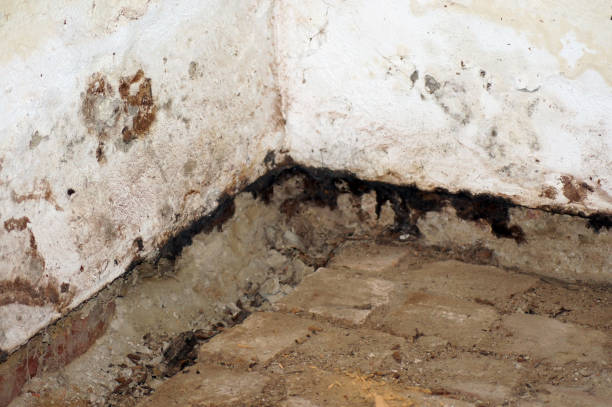
Why Mold Loves Rhode Island Basements
Mold thrives in environments that are:
– Damp or humid (especially after rain)
– Poorly ventilated
– Cool and dark
– Unfinished or rarely checked
In Rhode Island, coastal weather and aging home foundations often allow moisture to seep into basements, setting the stage for mold growth.
7 Signs You May Have Mold in Your Basement
- Musty, Earthy Odor: Even if you can’t see mold, a persistent musty smell is a strong indicator.
- Visible Discoloration: Watch for black, green, gray, or white spots on walls, beams, concrete surfaces.
- Peeling Paint or Warped Drywall: Surface changes often mean mold behind the wall.
- Increased Allergy Symptoms Indoors: More sneezing or sinus issues at home could indicate mold.
- Condensation or High Humidity: Signs of excessive moisture that invite mold.
- Unexplained Water Stains or Rust: Indicates ongoing water presence and potential mold.
- Past Flooding or Water Damage: Mold may still be hidden even years later.
How to Confirm Mold in Your Basement
– Visual Inspection with flashlight
– Smell Test around walls and vents
– Moisture Meters for internal dampness
– Air Quality Testing for spores
Why You Shouldn’t Ignore Basement Mold
– Weakened structure
– Health risks
– Spreading odors
– Lower property value
– Potential loss of insurance coverage
How Pristine Restoration Can Help
– Mold identification and remediation
– Moisture control solutions
– Indoor air quality purification
Call (401) 313-3506 to request a free estimate or mold consultation.
Final Thoughts: Trust Your Nose — and Your Gut
If your basement smells weird or feels damp, don’t wait.
Call Pristine Restoration today at (401) 313-3506 to schedule your inspection.